Boston Elite Paving: Commercial Asphalt Paving Contractors in Boston | Parking Lots, Roads & Repaving
We help Boston property owners protect asset value, stay ADA-compliant, and eliminate surprise pavement failures through planned, fixed-price paving and maintenance. Infrastructure protection & compliance partner for commercial property owners.
Request An Assessment!
Our Commercial Paving Clients
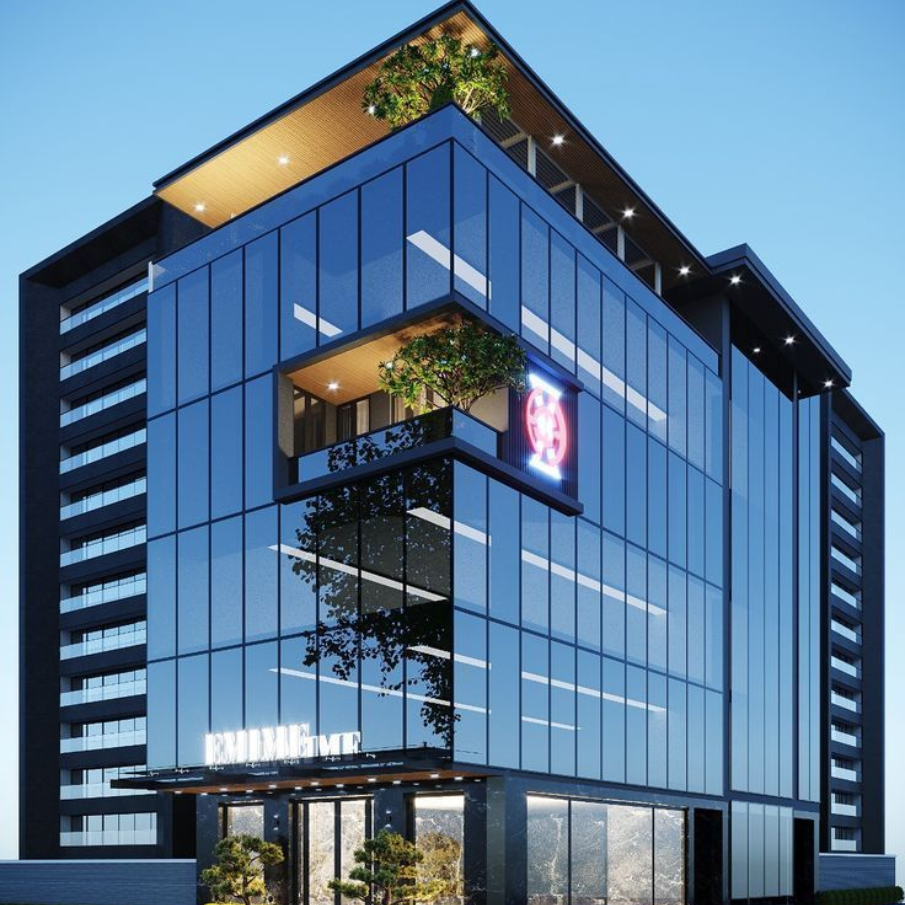
Commercial Property Owners & Managers
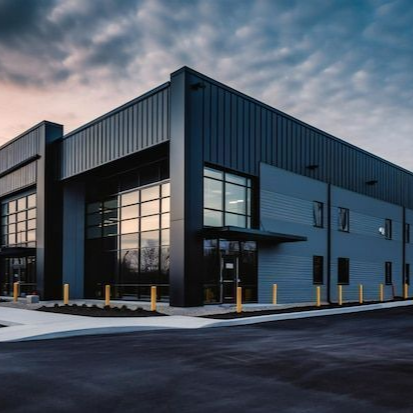
Industrial Facilities
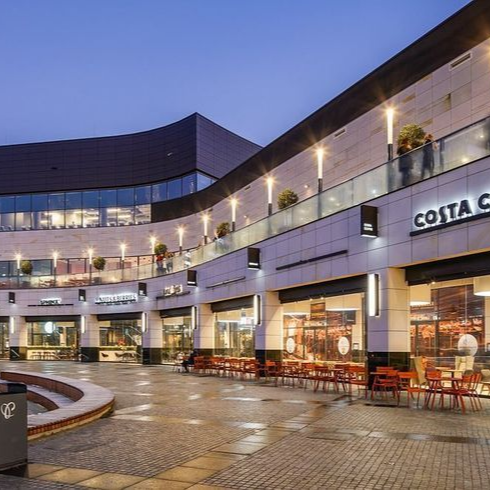
General Contractors & Developers
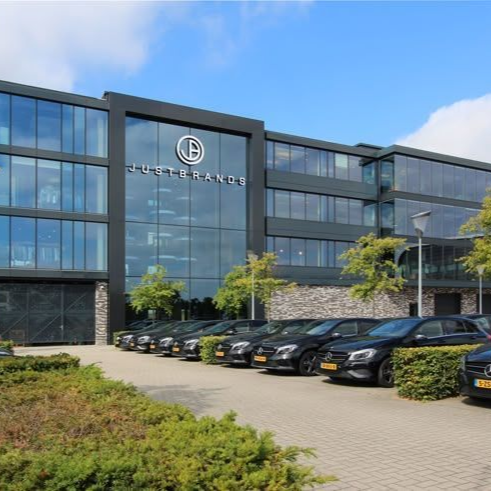
Municipalities & Government Agencies

What Makes Us Different as a Commercial Asphalt Paver In Boston.
We have established ourselves as Boston's premier commercial paving contractor through decades of experience navigating the city's unique challenges. Our expertise extends from downtown commercial districts to waterfront properties, where we understand how salt air exposure and coastal storm surges affect pavement longevity.
Our recent completion of the 80,000-square-foot Maliotis Cultural Center project demonstrates our capability to handle large-scale commercial developments. We paved the entire property and constructed the front patio and central steps, delivering seamless integration from parking areas to building entrances.
Our Commercial Paving Services
Commercial Lot Expansions
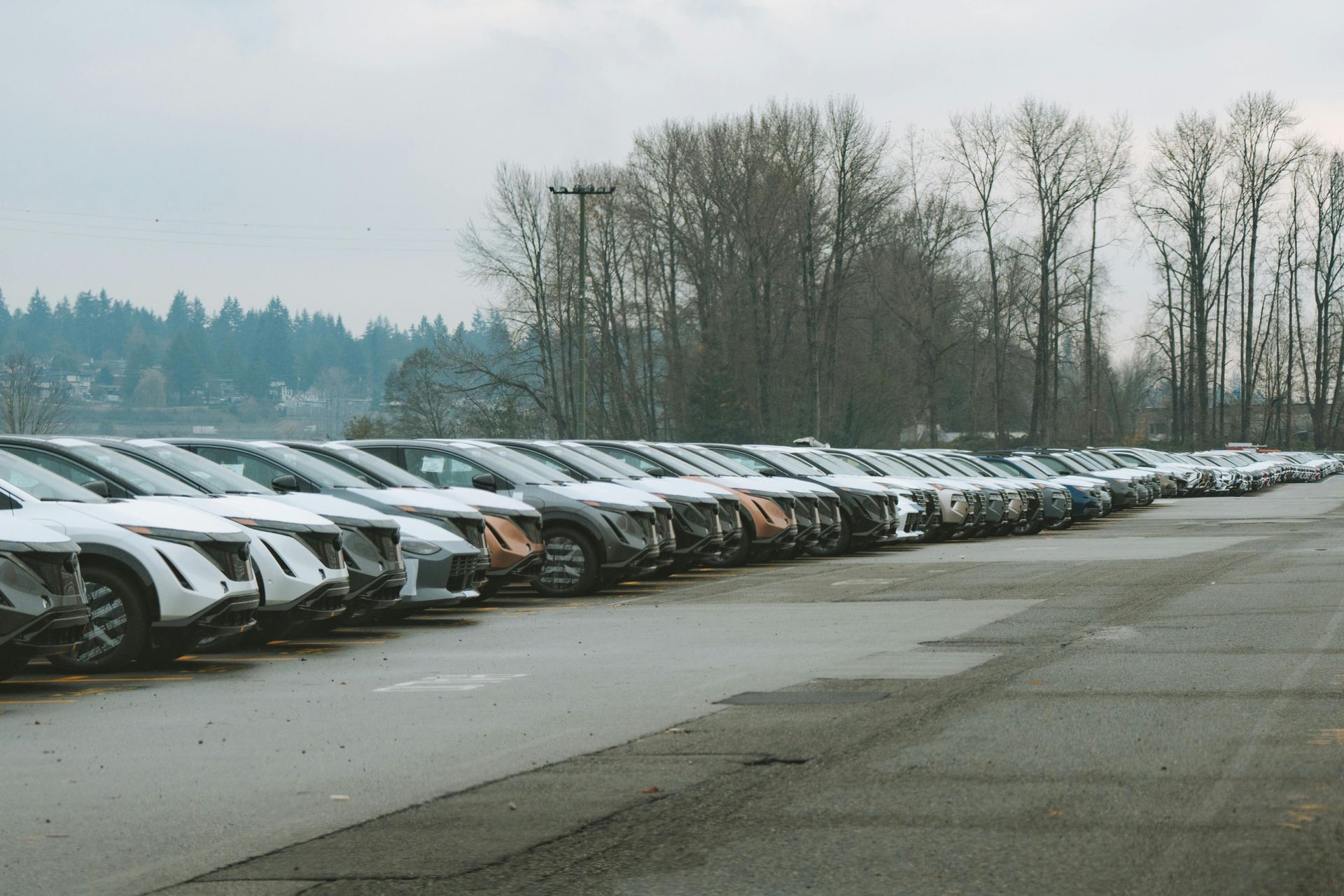
Your business is growing and you need more parking spaces. We handle commercial lot expansions that blend seamlessly with your existing pavement. The process involves careful grading to match drainage patterns, proper base preparation, and asphalt that matches your current surface. Most property managers wait too long to expand there lots, which creates overflow parking problems and unhappy tenants. We work around your business hours so customers can still access your property during construction.
New Parking Lot Installation
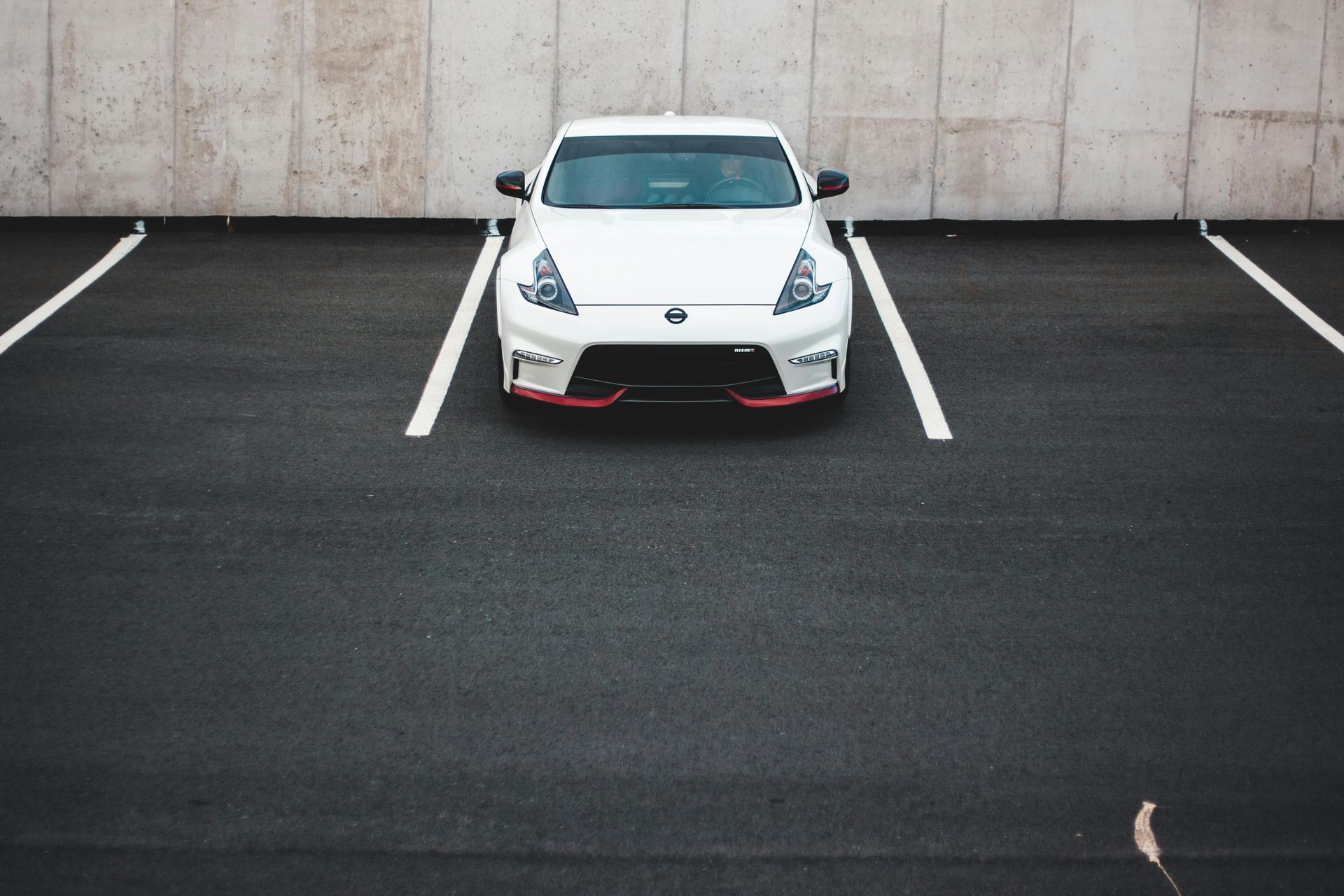
Building a new parking lot from scratch requires expertise in base preparation, drainage design, and proper asphalt thickness for your traffic loads. We start with soil testing and grading, then install a stone base that prevents settling and cracking. The asphalt thickness depends on whether your lot handles passenger cars or delivery trucks. A typical installation takes 1-2 weeks depending on size and weather conditions. New lots in Boston need extra attention to drainage because our spring rains can wash out improper base work.
Private Road Paving
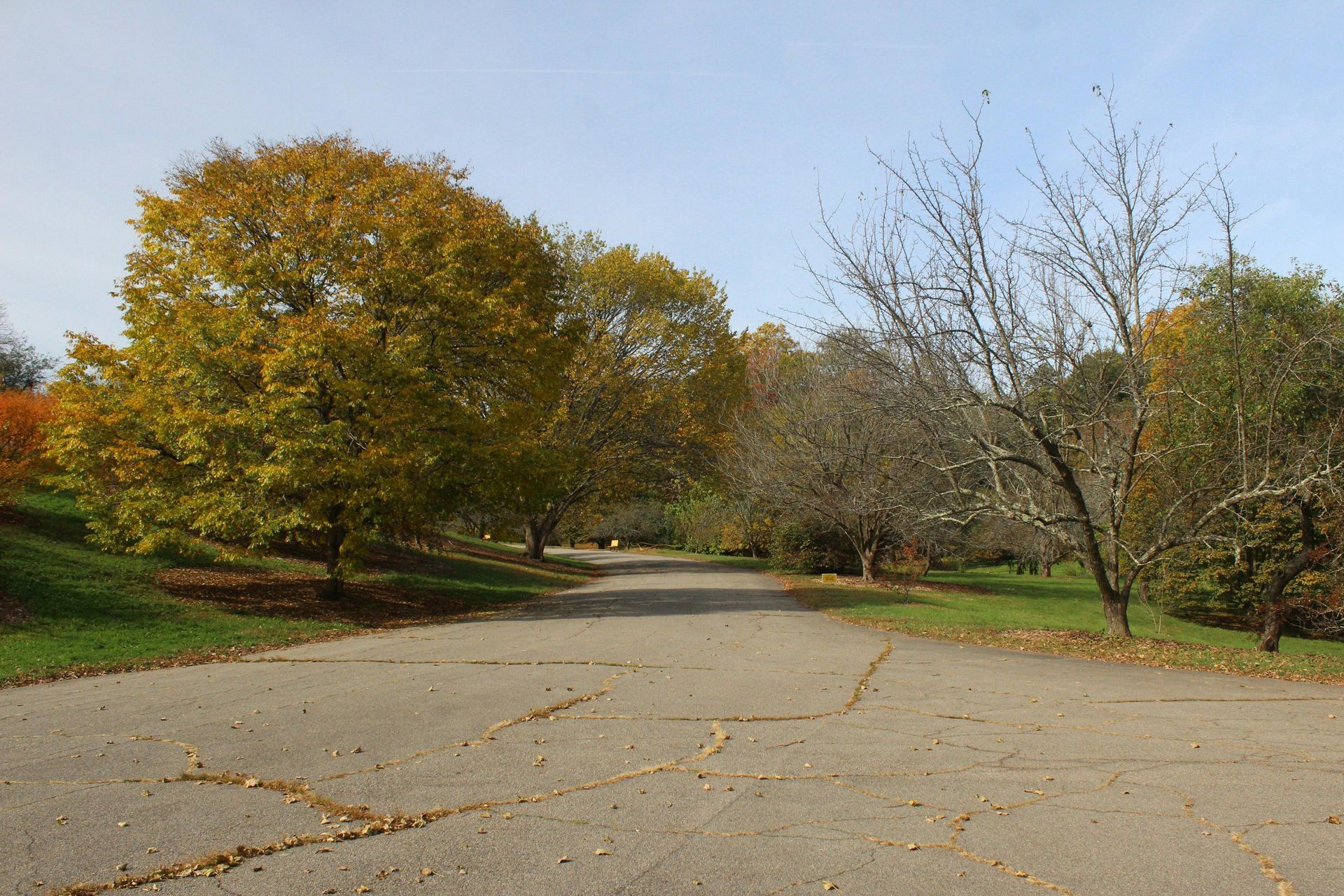
Private roads serving commercial properties face unique challenges. Unlike public streets, there's no city maintenance, so the pavement quality is entirely on you. We pave private access roads for industrial parks, apartment complexes, and business campuses throughout Boston. These roads need thicker base layers than parking lots because they handle constant traffic patterns in the same wheel paths. Winter plowing also damages private roads faster, especially around the Seaport and Allston where salt trucks make multiple passes each storm.
Asphalt Resurfacing / Overlays
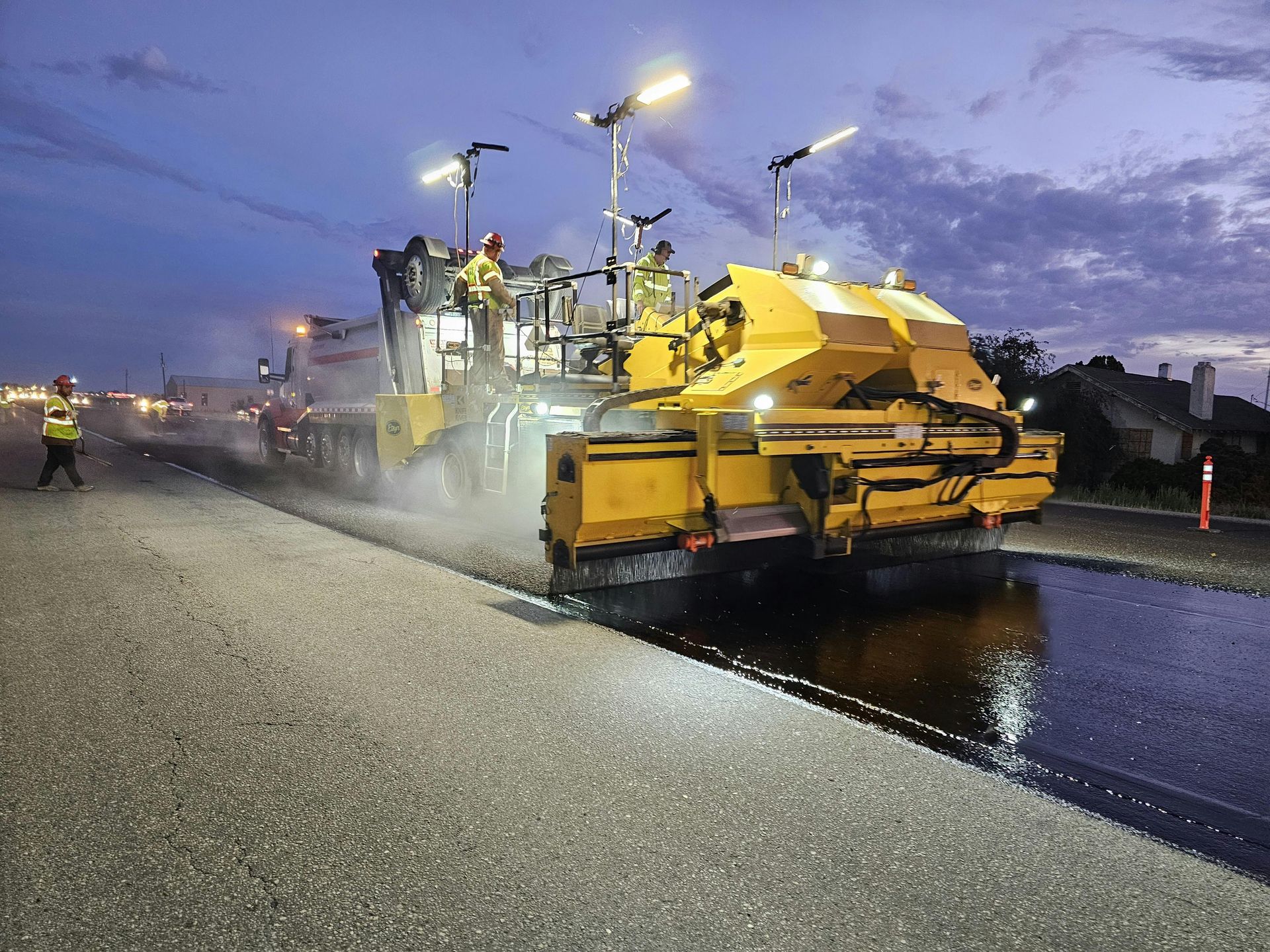
Resurfacing puts a new layer of asphalt over your existing pavement when the base is still solid but the surface is worn out. This option costs about half as much as complete replacement and adds 8-12 years to your pavement life. We mill off about an inch of old asphalt first to maintain curb heights and door clearances. Resurfacing works great for parking lots with surface cracking and weathering but no major base failures. The key is doing it before water infiltrates deep into the base layers.
Asphalt Milling & Repaving
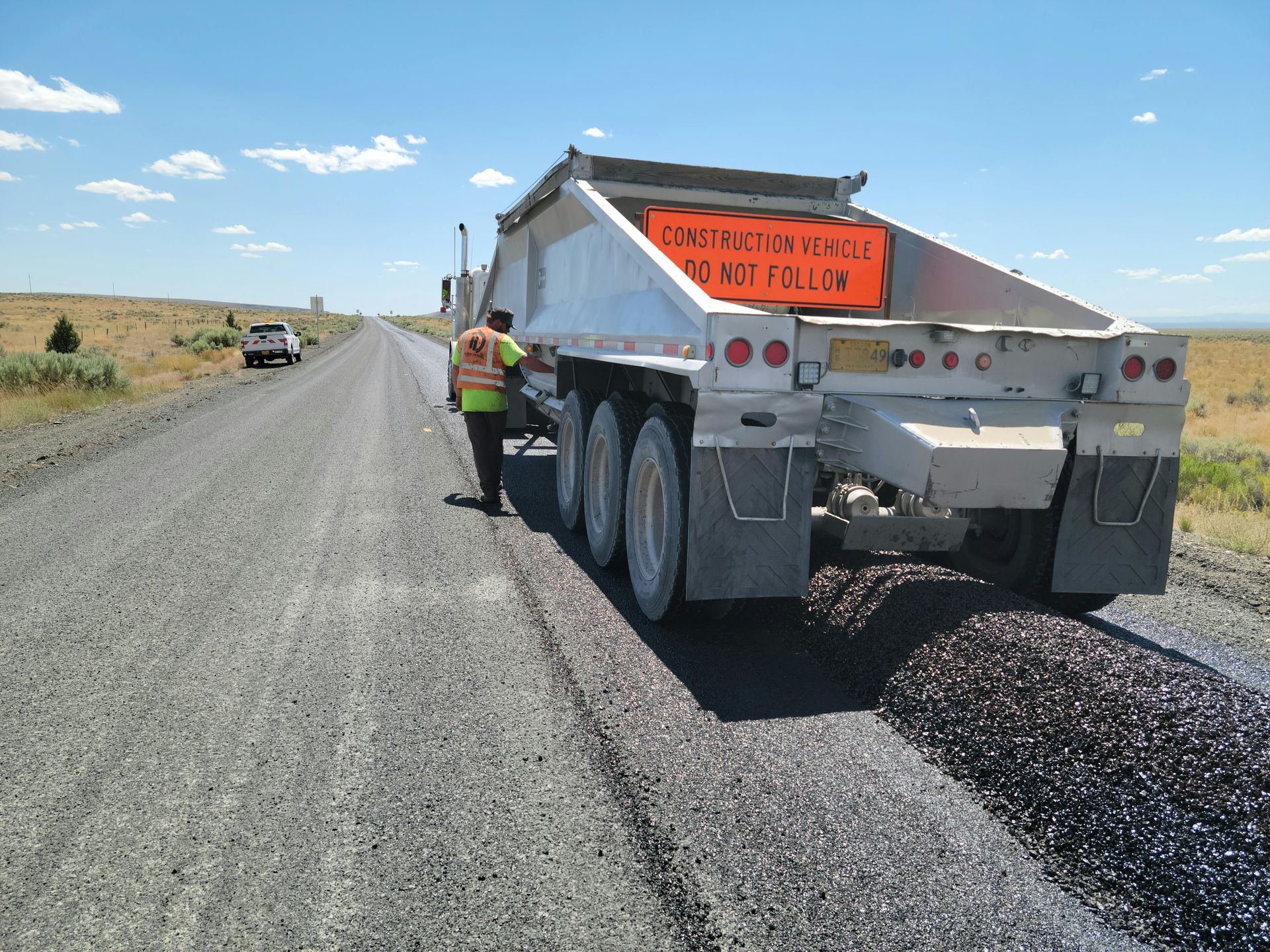
Milling removes damaged asphalt down to a specific depth, then we repave with fresh material. This process fixes problems deeper than surface wear but doesn't require full reconstruction. We typically mill 2-4 inches depending on the damage extent. The milled material gets recycled into new asphalt projects, which saves money and helps the environment. Properties in areas like Dorchester and Roxbury often need milling and repaving because heavy truck traffic creates rutting and depressions that simple resurfacing cant fix.
Full-Depth Reclamation (FDR)
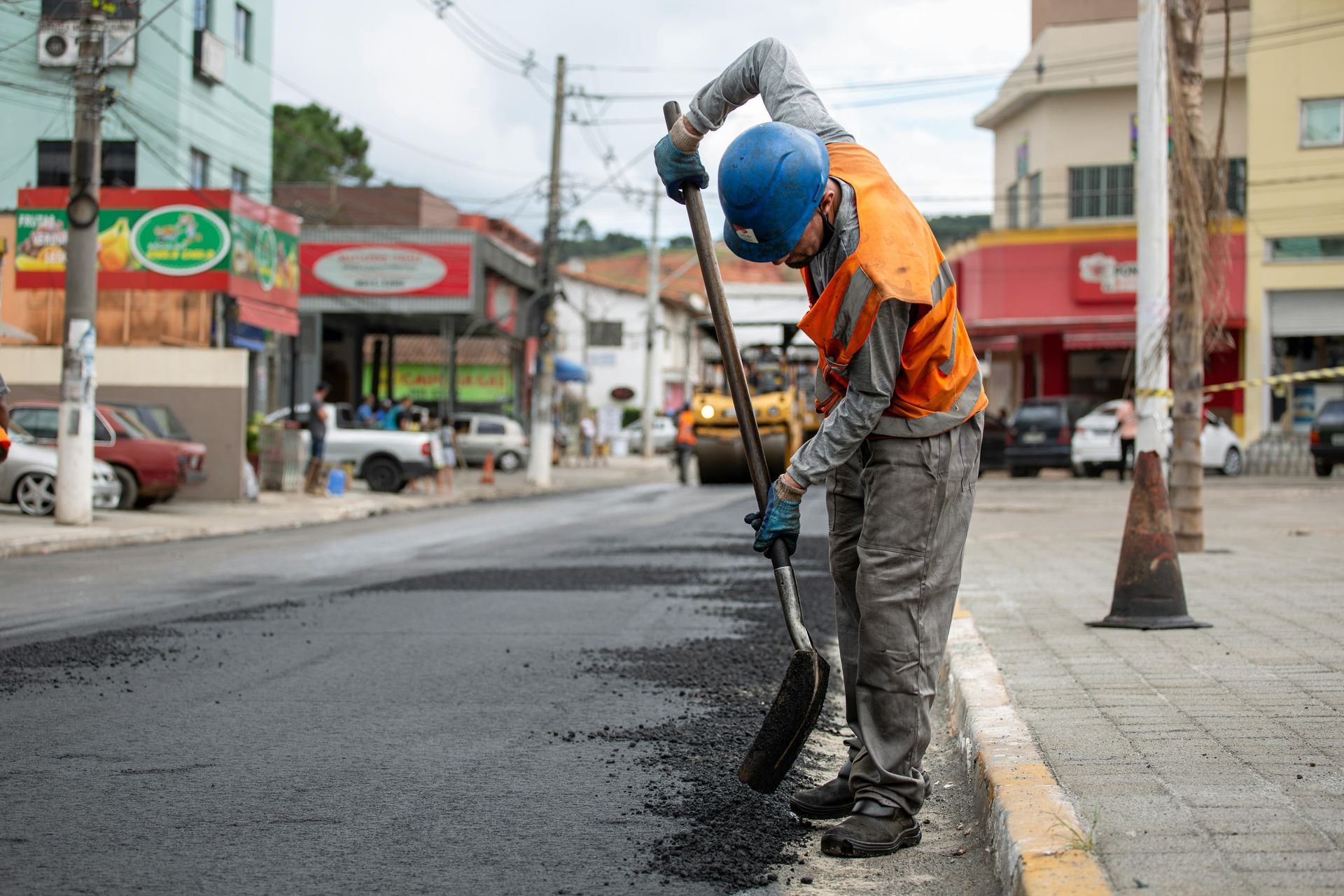
FDR is the most cost-effective way to rebuild a parking lot that's completely failed. Instead of removing all the old asphalt and base, we pulverize everything together, add stabilizing agents, and compact it into a new base layer. Then we pave fresh asphalt on top. This method costs 30-40% less than traditional reconstruction and recycles 100% of your existing materials. FDR works perfect for large lots with extensive cracking, potholes, and base failures. The process makes sense for properties that cant afford complete removal but need better than just a surface fix.
Types of Materials Used For Commercial Paving
Surface Course Asphalt
contains smaller stones and more binder for a smooth, tight surface that resists water. This layer is typically 1.5-2 inches thick.
Binder Course Asphalt
sits below the surface and uses larger aggregate for structural strength. This layer handles the heavy loads and distributes weight to the base.
Crushed Stone Base
provides the foundation for your pavement. We use different stone sizes depending on soil conditions, but typically install 6-12 inches of compacted gravel base. Properties with poor soil need thicker bases to prevent settling.
Commercial Paving Issues We Fix
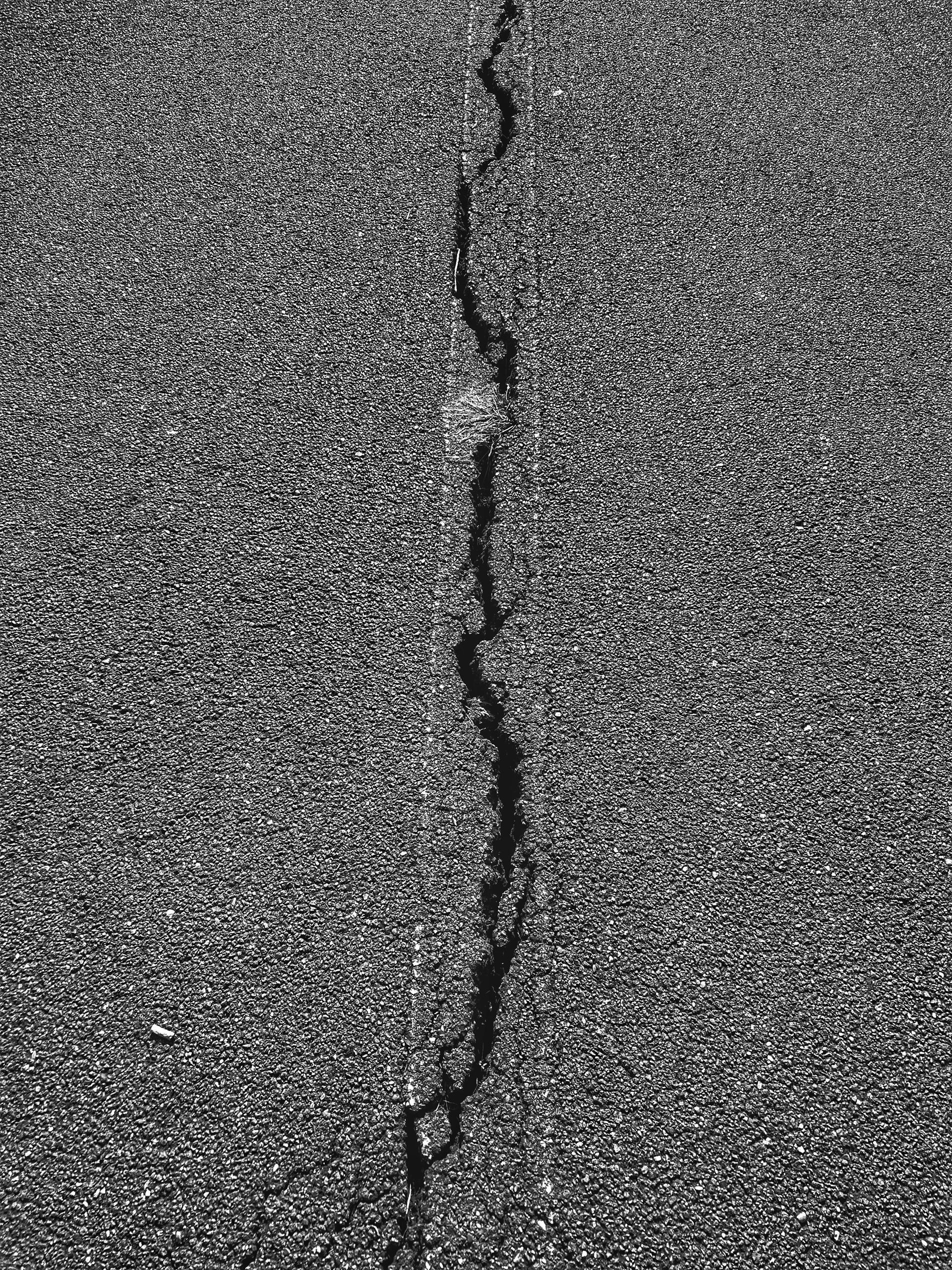
Potholes
develop when water seeps through cracks, freezes, and breaks up the pavement from underneath. Boston's freeze-thaw cycles create perfect conditions for pothole formation every spring.
Rutting
happens in wheel paths where trucks and heavy vehicles compress the asphalt over time. The depressions collect water and accelerate pavement breakdown.
Alligator Cracking
looks like reptile skin and indicates base failure beneath the surface. This problem requires more than just filling cracks - you need to address the underlying base issues.
Faded Striping
makes your lot confusing and potentially dangerous for customers. We repaint traffic lines, parking stalls, handicap symbols, and directional arrows after any paving work.
How Much Does Commercial Paving Cost
A typical 20,000 square foot parking lot resurfacing runs about $60,000-$80,000. The same lot with complete reconstruction costs $160,000-$240,000. These numbers include basic striping but not curb repairs, catch basin work, or other drainage improvements. Prices fluctuate based on oil costs since asphalt is a petroleum product. Spring and fall are peak seasons when contractors are busiest and prices run higher. Winter work costs extra because of shorter days and cold weather challenges.
Paving costs vary widely based on project size, scope, and site conditions. Here's what you can expect to pay in the Boston area.
| Paving Type | Typical Cost Range (per sq ft) |
|---|---|
| Resurfacing/Overlay | $2.50-$4.00 |
| Mill and Repave | $4.00-$6.50 |
| Complete Reconstruction | $8.00-$12.00 |
| Full-Depth Reclamation | $6.00-$9.00 |
How Long Does Commercial Paving Take
Weather impacts timelines significantly. Rain delays paving work because asphalt wont compact properly on wet surfaces. Cold temperatures below 50 degrees also cause problems with proper compaction and curing. We typically work during business off-hours for properties that need access during the day. Restaurants, retail stores, and medical offices often require night or weekend work to avoid disrupting customers. This extends the calendar time but minimizes business interruption. After paving, you can drive on new asphalt within 24-48 hours, but we recommend waiting 3-5 days before allowing heavy trucks. The pavement continues curing for several weeks and reaches full strength after about 6 months.
| Project | Timeline |
|---|---|
| Small Lot | 3-5 days for complete reconstruction, 1-2 days for resurfacing. |
| Medium Lot | 1-2 weeks for reconstruction, 3-5 days for resurfacing. |
| Large Lot | 2-4 weeks for reconstruction, 1 week for resurfacing. |
The 5 Step Commercial Paving Process
| Phase | What We Do | |
|---|---|---|
| 1 | Site Assessment and Planning | We inspect your property to identify drainage issues, base failures, and traffic patterns. This includes checking catch basins, evaluating slopes, and testing core samples to see how deep problems go. Then we create a plan that addresses your specific issues and budget. |
| 2 | Demolition and Removal | For full reconstruction, we remove existing asphalt and haul it to recycling facilities. We also expose and repair any damaged catch basins or utility structures. The site gets excavated to proper depth based on our base design. Milling projects skip full removal and just grind off the top layers. |
| 3 | Base Preparation | We grade the soil subbase to create proper drainage slopes, then install geotextile fabric if needed. Crushed stone base goes in lifts (layers) with compaction between each lift. Proper compaction prevents future settling and cracking. This step takes the most time but determines how long your pavement lasts. |
| 4 | Asphalt Installation | Hot mix asphalt arrives in trucks at 300+ degrees and must be installed quickly. We spread the binder course first, compact it, then apply the surface course. Each layer requires multiple passes with heavy rollers to achieve proper density. Seams and transitions get extra attention to prevent weak spots. |
| 5 | Striping and Final Details | After the asphalt cures for a few days, we apply traffic paint for parking stalls, directional arrows, handicap spaces, and fire lanes. We also install wheel stops, bollards, or other traffic control items. Final grading around edges ensures water flows away from the pavement and buildings. |
Preventive Commercial Paving Maintenance Programs
Regular maintenance extends pavement life by 50% or more and costs way less than emergency repairs. Here's what you should do:
Sealcoating Every 2-3 Years
Sealcoat protects asphalt from sun, water, and chemicals. It fills small surface cracks and makes your lot look fresh. Properties with heavy traffic need sealcoating more often. The material costs about $0.15-$0.25 per square foot applied.
Winter Damage Inspection
Check for potholes and new cracks every spring after snow melts. Quick repairs prevent small problems from becoming major failures by next winter.
Residential Paving Services
While we specialize in commercial work, we also handle residential driveways throughout Boston. Homeowners deal with many of the same issues as commercial properties - cracking, potholes, drainage problems, and weather damage.
Residential work typically costs $8-$15 per square foot depending on access, site conditions, and whether you need full replacement or just resurfacing. Homes in neighborhoods like Roslindale, West Roxbury, and Hyde Park often have long driveways that require significant paving work.
Driveway Replacement
Full removal and reconstruction for driveways that have failed completely. Typical residential driveways are 400-800 square feet and take 1-2 days to replace.
Driveway Resurfacing
Adding a new surface layer over existing asphalt extends life by 10-15 years when the base is still solid.
Crack Repair and Sealing
Preventive maintenance that stops small cracks from expanding into expensive problems.
Driveway Extensions
Adding parking space or widening narrow driveways to accommodate more vehicles.
Commercial Paving FAQs
When is the best time of year for commercial paving in Boston?
Late spring through early fall provides the best weather conditions. Asphalt needs temperatures above 50 degrees to compact properly and cure correctly. We can work year-round with certain techniques, but May through October gives the best results. Avoid paving in winter unless its an emergency repair because cold temperatures prevent proper bonding.
How long should a commercial parking lot last?
A properly installed commercial lot lasts 15-20 years with regular maintenance like sealcoating and crack filling. Without maintenance, expect 8-12 years before major repairs are needed. Heavy truck traffic reduces lifespan, while passenger car lots last longer. The harsh Boston climate with freeze-thaw cycles also shortens pavement life compared to warmer regions.
Can you pave over existing asphalt?
Yes, if the existing pavement has a solid base without major cracking or settling. We mill the surface first to maintain proper heights at curbs and doors. Overlaying damaged pavement just transfers problems to the new surface within a year or two, so sometimes complete removal is the smarter choice even though it costs more upfront.
Do I need permits for commercial paving work in Boston?
Usually no for private property paving, but yes if work affects public sidewalks, curb cuts, or stormwater drainage that connects to city systems. Each municipality has different rules - Cambridge and Brookline have stricter requirements than some other areas. We handle permit applications when there needed as part of our service.
Why does my parking lot crack every winter?
Water seeps into small cracks, freezes, expands, and breaks the pavement apart from inside. This cycle repeats every time temperatures fluctuate around freezing, which happens constantly in Boston from November through March. The best defense is keeping the surface sealed so water cant penetrate. Once cracks form, fill them immediately before next winter.
Boston Elite Paving
Serving Boston, MA & Surrounding Communities